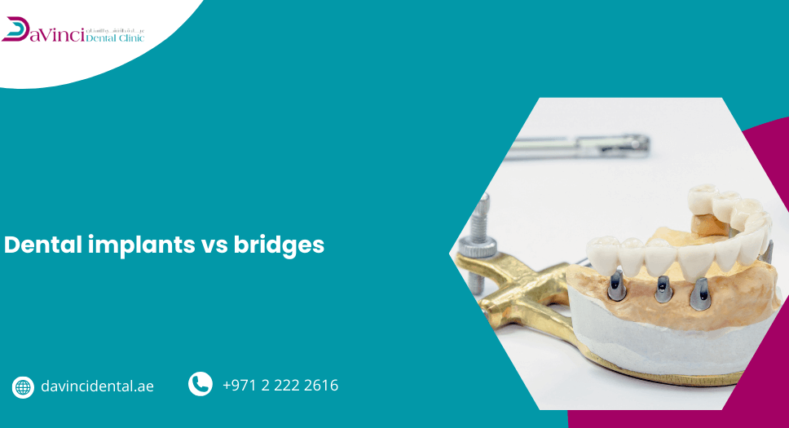
Full arch dental implants have become one of the most modern and dependable treatments for individuals seeking to restore a full upper or lower arch of teeth in a natural-looking, long-lasting way.
In this guide, we’ll explain all you need to know before deciding on this life-changing procedure. You’ll discover what full arch dental implants are, how they work, the main distinctions between them and traditional dentures, and the main advantages you can expect.
We’ll also show you how to choose the best dental clinic to guarantee the safest, most dependable, and visually pleasing results.
Table of Contents
What Are Full Arch Dental Implants?
Full arch dental implants are a full tooth replacement alternative for patients who have lost all or most of their upper or lower jaw teeth.
This method supports a whole set of prosthetic teeth by using a series of carefully positioned implants, usually four to six titanium posts surgically put into the jawbone, as opposed to replacing each tooth separately.
By gradually fusing with the bone through a process known as osseointegration, the implants function as prosthetic tooth roots, creating a solid and long-lasting foundation.
Both function and appearance are restored when a custom-made dental bridge or denture is securely attached to the implants after they have healed.
What to Expect During the Full Arch Dental Implants Procedure
The full arch dental implant procedure typically unfolds over several stages:
- A complete consultation is the first step in the whole arch dental implant surgery, during which your dentist or oral surgeon assesses your oral health, takes detailed imaging (such as X-rays or CT scans), and creates a customized treatment plan.
- To guarantee your comfort on the day of the procedure, you will be given sedation or local anesthesia. After making tiny incisions in the gum tissue, the surgeon delicately inserts four to six titanium implant posts into the jawbone at predefined locations.
- After surgery, you may experience some bruising, swelling, and minor discomfort for a few days. These side effects can usually be controlled with prescription painkillers and anti-inflammatory drugs.
- The implants go through osseointegration over the course of the following three to six months, progressively fusing with the surrounding bone to form a strong foundation.
- After the healing process is over, you will return for the last stage, which involves taking impressions and fabricating and attaching your permanent prosthetic arch. Your dental staff will make precise modifications to guarantee optimal fit, bite alignment, and a natural look.
- Follow-up consultations are planned to check your progress, and you will be given instructions on how to care for your new teeth to guarantee long-term results.
Full Arch Dental Implants vs. Traditional Dentures: Key Differences
Full arch dental implants and traditional dentures both serve to replace a full set of missing teeth, but they differ significantly in how they function, feel, and impact long-term oral health.
Here’s a quick comparison between the two:
| Aspect | Full Arch Dental Implants | Traditional Dentures |
| How They Work | Permanently fixed to the jawbone using titanium implants. | Removable prosthetics that rest on the gums and rely on suction, adhesives, or clasps. |
| Stability | Completely stable with no movement or slippage, it functions like natural teeth. | Can slip or shift while eating and speaking, causing discomfort or embarrassment. |
| Bone Health | Stimulate and preserve jawbone density by acting like natural tooth roots. | Do not stimulate the jawbone; bone resorption occurs over time. |
| Bite Force & Eating | Strong bite force allows eating a wide variety of foods comfortably. | Limited bite force; certain foods must be avoided. |
| Maintenance | Cleaned like natural teeth with brushing, flossing. | Must be removed nightly for cleaning and soaking. |
| Longevity | Can last decades with proper care, making them more cost-effective long-term. | Typically need replacement every 5–10 years due to fit changes from bone loss. |
| Cost | Higher initial cost due to surgery. | Lower upfront cost, no surgery required. |
Benefits of Choosing Full Arch Dental Implants
Full-arch dental implants stand out for many reasons:
- Stability and Security: Full-arch implants offer a stable and fixed solution, as they are firmly anchored into the jawbone.
- Bone Preservation: By stimulating the jawbone through the implant posts, full-arch implants prevent bone loss that may result from missing teeth. This preservation reduces the likelihood of sagging and maintains facial structure.
- Durability: Full-arch implants are designed for longevity, frequently lasting a lifetime with proper care. This makes them a more cost-effective solution over time than regular dentures.
- Enhanced Aesthetics: They offer a natural look that closely resembles real teeth, increasing confidence and enhancing the general quality of life.
- Decreased Maintenance: Oral hygiene practices are made easier by the fact that full-arch implants can be maintained similarly to natural teeth with tooth brushing and flossing.
Read More: All-on-4 Dental Implants Near Me.
Conclusion
For patients who wish to rebuild a full smile with long-lasting, natural-looking results, full arch dental implants offer one of the most advanced, dependable, and transforming options.
Picking a suitable clinic is essential, just like with any significant dental procedure.
From consultation to surgery to the final restoration, a trustworthy and knowledgeable implant team, like the one at Davinci Dental Clinic, will walk you through every step of the process to make sure your treatment is safe, predictable, and customized to meet your specific needs.
Read More: One-Day Dental Implants.
Frequently Asked Questions
Are full-arch dental implants worth it?
Yes, they provide stability, a more natural appearance, and superior functioning over traditional dentures, making them an excellent choice for people who are missing most or all of their teeth.
How long do full arch implants last?
The implants themselves are designed to last a lifetime, but the prosthetic teeth (crowns) on top often last 10 to 15 years or more with proper maintenance, such as good oral hygiene and frequent dental examinations.
Is it hard to eat with full dental implants?
No, after you are healed, eating with complete dental implants is not difficult. Although a soft food diet and patience are necessary during the initial healing phase, implants are made to be stable and allow you to eat normally without any limitations.